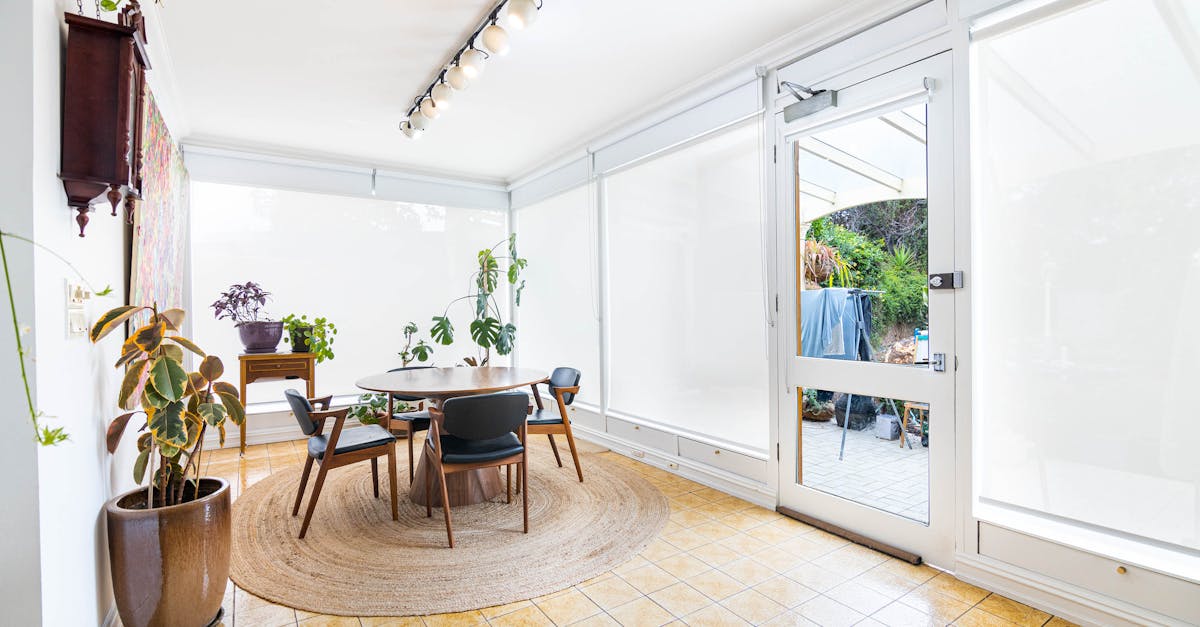
Modern Ambience: The Fusion of Indian Art and Contemporary Design
Table Of Contents
Textures and Materials
The interplay of textures and materials plays a crucial role in modern design, particularly when drawing inspiration from Indian artistry. Rich fabrics like silk, cotton, and wool are often juxtaposed with more contemporary materials such as metal and glass. This combination creates a visual narrative that reflects India’s vibrant heritage while appealing to contemporary sensibilities. The tactile quality of these materials adds depth to spaces, inviting touch and enhancing the sensory experience.
Natural elements are frequently incorporated, bringing an organic touch to modern interiors. Wood, especially reclaimed and locally sourced varieties, adds warmth and character to furniture pieces. Handcrafted ceramics and intricate textiles infuse colour and personality, offering a unique touch that mass-produced items cannot replicate. The careful selection and integration of these textures not only highlight the artistic flair of Indian craftsmanship but also create an environment that is both stylish and inviting.
Unique Materials from Indian Artistry
In the realm of Indian artistry, diverse materials reflect the rich cultural heritage and craftsmanship that define the region. Natural elements like jute, bamboo, and terracotta are often transformed through skilled techniques, resulting in unique textures and finishes. The use of handwoven fabrics, adorned with intricate motifs, serves not just as a functional component but also as a testament to the artistry behind each piece. These materials bring an authentic touch to modern interiors while offering a glimpse into traditional practices.
Sustainability remains a key aspect of contemporary design, and many artisans are embracing eco-friendly materials. Recycled wood and organic textiles feature prominently, merging aesthetics with environmental consciousness. Such innovations not only enhance the visual appeal of a space but also promote a connection to nature. This harmonious blend of traditional materials and modern sensibilities allows for a rich narrative within interior design, capturing the essence of India while catering to contemporary tastes.
Furniture Design Innovations
The evolving landscape of furniture design reflects a compelling dialogue between traditional Indian craftsmanship and modern aesthetics. Artisans are embracing innovative techniques, ensuring that classic forms are reimagined for contemporary spaces. This synthesis manifests in pieces that utilise bold lines and geometric shapes while still honouring the intricate patterns characteristic of Indian artistry. By weaving cultural narratives into furniture, designers create functional art that tells a story, making each piece unique.
Materials play a crucial role in this revolution. Techniques such as hand-carving and inlay work from various regions in India are now interpreted alongside modern manufacturing methods. This fusion results in furniture that not only serves a practical purpose but also acts as a statement of style. Every chair, table, and cabinet reflects both historical significance and present-day functionality, showcasing how age-old expertise can harmoniously coexist with the sleek demands of contemporary living.
Merging Traditional Craftsmanship with Modern Functionality
The integration of traditional craftsmanship into contemporary furniture design showcases the rich heritage of Indian artisans. With intricate techniques and designs passed down through generations, these pieces often reflect a story and cultural significance. Modern designers are tapping into this wealth of creativity while focusing on functionality, blending ornate details with streamlined forms. This approach enables the production of items that are both visually appealing and practical for today’s lifestyle.
Incorporating traditional methods, such as hand-carving and weaving, alongside modern materials like metal and glass results in unique furniture that stands out in any space. This marrying of styles not only honours age-old skills but also caters to the demands of contemporary living. Consumers are increasingly seeking pieces that tell a story, adding depth to their interiors while ensuring that the functionality required in modern homes is met. The balance achieved between these elements creates a harmonious aesthetic that is both timeless and relevant.
Lighting as a Design Element
Light plays a crucial role in setting the mood and enhancing the aesthetics of a space. The interplay between shadows and illumination can dramatically alter the atmosphere within a room. Incorporating Indian-inspired lighting fixtures adds an extraordinary flair, often characterised by intricate designs and the use of traditional motifs. These elements not only serve a functional purpose but also become striking visual statements that evoke cultural heritage.
Innovative designs have emerged that seamlessly blend traditional Indian artistry with contemporary aesthetics. Pendant lamps crafted from brass, for example, emit a warm glow while displaying beautifully detailed patterns that reflect the craftsmanship behind them. Wall sconces featuring hand-painted ceramic tiles can serve as conversation starters while casting beautiful shadows across the walls. Such unique lighting solutions create an inviting ambiance, making spaces feel curated and personal.
Creating Mood with Indian-inspired Lighting
Lighting plays a pivotal role in setting the mood within a space, and Indian-inspired designs often incorporate an array of striking elements. Traditional lanterns, with intricate carvings and vibrant colours, evoke a sense of warmth and intimacy. These creative lighting fixtures not only serve a functional purpose but also act as statement pieces that encapsulate the rich heritage of Indian artistry. The interplay between light and shadow enhances the visual appeal, creating dynamic atmospheres that can transform any room.
Designers frequently draw upon classic motifs and materials, integrating them into modern lighting solutions. Chandeliers adorned with mosaic glass can infuse a contemporary home with cultural depth while maintaining an elegant aesthetic. Use of ethnic textiles for lampshades introduces texture, complementing minimalist furniture. This thoughtful approach ensures that each light source contributes to an overall narrative, bridging the gap between tradition and modernity.
FAQS
What are some unique materials used in Indian artistry?
Unique materials often include natural textiles like silk and cotton, handcrafted ceramics, and indigenous woods, which reflect the rich cultural heritage of India.
How can traditional craftsmanship be integrated into contemporary furniture design?
Traditional craftsmanship can be integrated by using time-honoured techniques and patterns while ensuring functionality and modern aesthetics in furniture pieces.
What role does lighting play in creating a modern ambience?
Lighting serves as a powerful design element that can enhance the mood and atmosphere of a space, particularly when incorporating Indian-inspired designs that blend traditional motifs with contemporary styles.
How can I incorporate Indian art into my home without overwhelming the space?
You can incorporate Indian art through accent pieces like cushions, wall art, or statement furniture items that add a touch of cultural flair without dominating the overall design.
Are there specific design styles that best complement the fusion of Indian art and contemporary design?
Yes, styles such as minimalism, eclectic design, and bohemian can complement the fusion of Indian art and contemporary design by allowing the cultural elements to stand out while maintaining a cohesive look.
Related Links
Cultural Inspirations: The Use of Textiles in Indian RestaurantsCreating a Warm Atmosphere: Lighting Choices in Indian Dining Spaces
Family-Friendly Environments: Designing Spaces for All Ages
Capturing the Essence of India: Thematic Decor in Melbourne's Indian Eateries
Open-Air Dining: Enjoying Indian Cuisine in Outdoor Settings
Visual Delights: The Importance of Presentation in Restaurant Ambience
Seasonal Decor: How Indian Restaurants Celebrate Festivals Through Interior Design