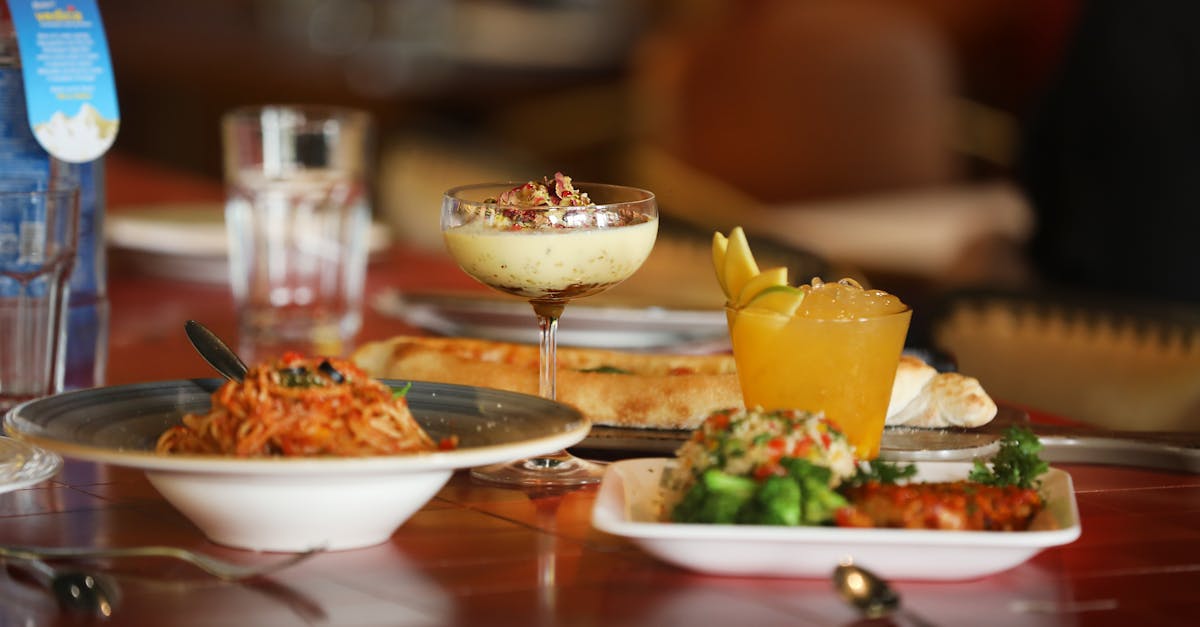
Visual Delights: The Importance of Presentation in Restaurant Ambience
Table Of Contents
The Use of Art in Restaurants
Art can express a restaurant's identity and theme, creating an engaging atmosphere for diners. By carefully selecting pieces that resonate with the establishment's cuisine or cultural influences, owners can elevate the dining experience. This visual element adds depth, enticing patrons to not only savour the food but also appreciate the creative environment surrounding them.
Local art can serve as a bridge between the restaurant and the community, showcasing the talents of nearby artists. Displaying these works not only promotes local culture but also encourages conversation among guests, making the dining experience more interactive. Through dynamic visuals, restaurants can create memorable moments that extend beyond the plate.
Local Art as a Conversation Starter
Incorporating local art into restaurant spaces creates an inviting atmosphere that encourages engagement among diners. Artwork can reflect the culture and history of the region, offering patrons a glimpse into the local creative scene. Not only does this enhance the visual aesthetics of the restaurant, but it also gives guests something to discuss, facilitating interaction between groups or even strangers sharing a table.
Support for local artists elevates the restaurant’s community ties, transforming the dining experience into a celebration of local talent. Menus can often serve as a canvas for artists, featuring original designs or illustrations that further promote discussion. By showcasing art from nearby creators, restaurants foster a deeper connection with their clientele, highlighting the significance of the local community while enriching the overall dining experience.
Seasonal Decor Changes
Changing decor with the seasons can significantly enhance the atmosphere of a restaurant. Fresh flowers in spring or warm, earthy tones in autumn can evoke feelings that resonate with customers. These seasonal updates create an inviting space that encourages patrons to return throughout the year. The strategic incorporation of seasonal elements not only celebrates the passage of time but also showcases the restaurant's commitment to an enjoyable dining experience.
Regular updates to decor bring a refreshing element to the restaurant environment. This practice keeps the space visually stimulating and can attract new customers looking for a seasonal experience. By aligning decor with holidays or seasonal events, restaurants can create themed experiences that enhance customer engagement and promote a sense of community. Such thoughtful changes illustrate a dedication to detail, making the dining experience memorable.
Keeping the Restaurant Environment Fresh
Changing decor with the seasons brings a lively dimension to the dining experience. Fresh flowers, seasonal colours, and themed decorations not only create visual interest but also connect guests to nature and the time of year. This approach fosters a sense of expectancy among regular customers, as they look forward to new visual elements with each visit. By reflecting seasonal changes, restaurants can offer a dynamic atmosphere that feels tailored and inviting.
In addition to seasonal updates, attention to detail is crucial for maintaining a vibrant environment. Regular updates to furniture, table settings, and even menus can keep the restaurant feeling new and engaging. Simple tasks like rearranging furniture or introducing new tabletop items can invigorate the space. A restaurant that evolves over time demonstrates its commitment to a fresh and enjoyable experience for patrons, ultimately encouraging repeat visits while nurturing a welcoming atmosphere.
Importance of Cleanliness in Visual Appeal
A pristine environment plays a crucial role in shaping a customer's experience. When diners enter a restaurant, their first impressions are often influenced by the cleanliness of the space. Spotless tables, polished glassware, and tidy flooring signal attention to detail and care. This aspect not only enhances the immediate visual appeal but also reassures patrons about the hygiene and overall quality of the food and service.
A consistently clean atmosphere fosters positive relationships between staff and customers. When diners notice that a restaurant prioritises hygiene, they are more likely to return. It establishes a level of trust, encouraging patrons to recommend the establishment to others. Cleanliness can serve as a silent ambassador for a restaurant's brand, ensuring that the visual aspects align with the culinary experience offered.
Maintaining Standards for a Positive Impression
A pristine environment is crucial for establishing a positive impression among diners. Cleanliness extends beyond just tables and dishes; it encompasses every aspect of the dining experience, including floors, restrooms, and even the exterior of the establishment. Patrons are likely to judge a restaurant not only by the food but also by the level of care taken in maintaining the premises. Thus, a regular cleaning schedule and attention to detail can significantly enhance a restaurant’s reputation.
Regular inspections and prompt addressing of any cleanliness issues can further solidify the restaurant’s commitment to quality. Staff training should emphasise the importance of cleanliness as part of their duties, ensuring that every team member understands their role in creating an inviting atmosphere. This diligence contributes to an overall dining experience that resonates positively with guests, making them more likely to return and recommend the restaurant to others.
FAQS
How does art contribute to the ambience of a restaurant?
Art enhances the overall atmosphere, making the space more inviting and providing a visual focal point that can stimulate conversation among guests.
Why is local art a good choice for restaurant decoration?
Local art showcases the culture and community, creating a sense of connection for customers and providing unique conversation starters that reflect the area’s identity.
How often should a restaurant change its decor to keep it fresh?
Seasonal decor changes, such as updating decorations every few months, can keep the environment feeling vibrant and engaging for returning customers.
What role does cleanliness play in the visual appeal of a restaurant?
Cleanliness is crucial; a tidy environment not only looks more appealing but also signals to customers that the establishment values hygiene and takes pride in its presentation.
How can a restaurant maintain high standards of cleanliness to enhance its visual appeal?
Regular cleaning schedules, staff training, and attention to detail in both front-of-house and back-of-house areas can help maintain hygiene and visual standards that leave a positive impression on guests.
Related Links
Open-Air Dining: Enjoying Indian Cuisine in Outdoor SettingsSeasonal Decor: How Indian Restaurants Celebrate Festivals Through Interior Design
Family-Friendly Environments: Designing Spaces for All Ages
Capturing the Essence of India: Thematic Decor in Melbourne's Indian Eateries
The Role of Music in Enhancing the Dining Experience
Cultural Inspirations: The Use of Textiles in Indian Restaurants
Modern Ambience: The Fusion of Indian Art and Contemporary Design
Creating a Warm Atmosphere: Lighting Choices in Indian Dining Spaces